


 Futurismo Biologists Team
Today we had many boats going to the blue waters at different times and all of them were able to see some of the wonders of our ocean.

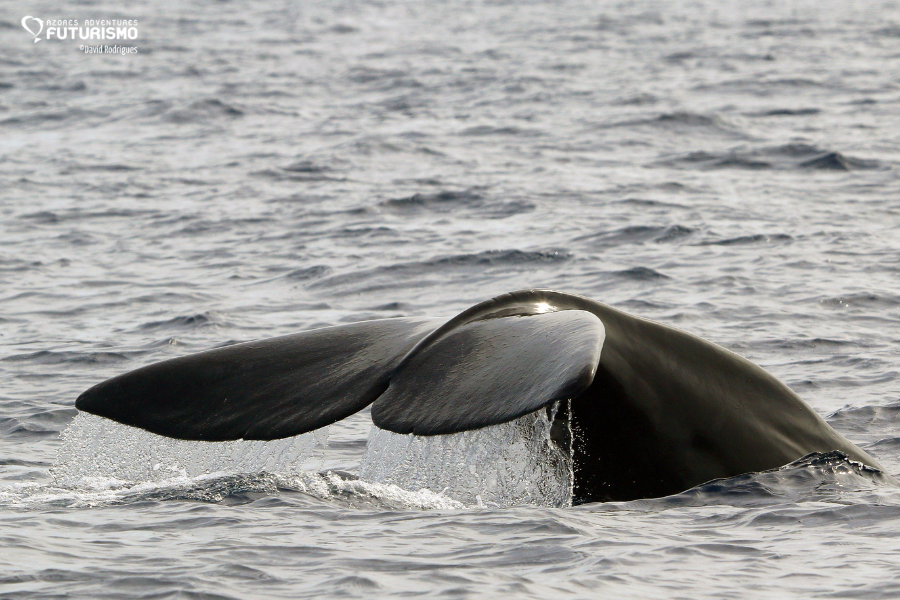
In our catamaran, 4 ventos, we started the trip early in the morning to sight the first signs of marine life of the day. Our lookouts guided us to a sperm whale area and after a while waiting for one of our resident species to show up, a female sperm whale showed its characteristic sideways blow. This adult was recognised by our biologists as it is in our catalogue and has been seen before: it was Penakabe. She stayed with us for a while, chilling at the surface and enjoying our bright sun, and then, she decided to go catch her breakfast in the deep ocean, saying goodbye with the tail!


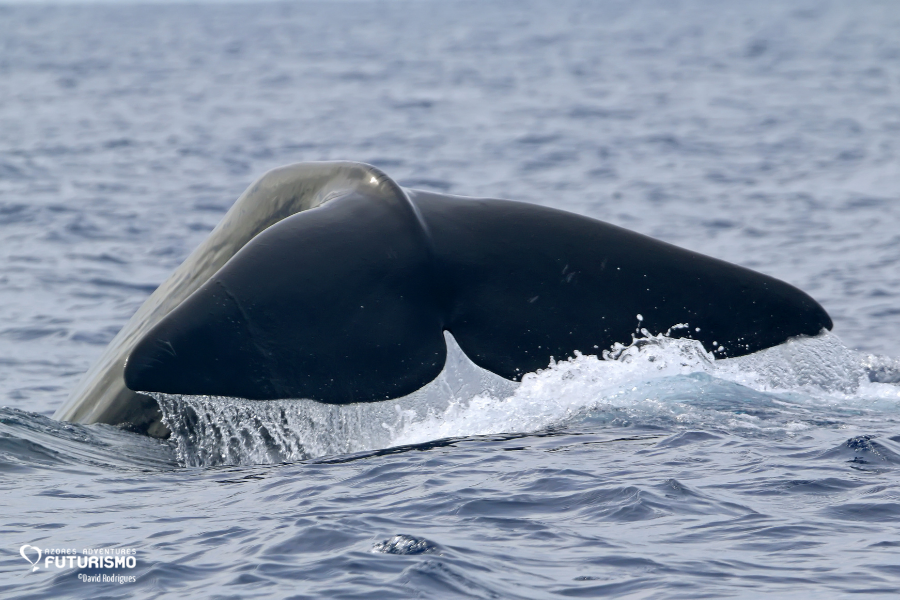
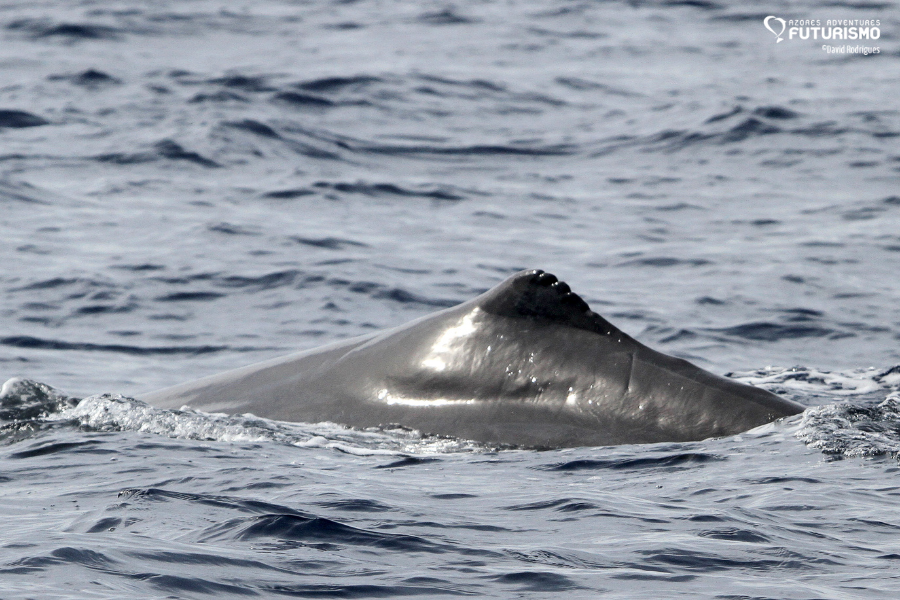


We were not done with sperm whales, though. Few miles away another female sperm whale went up to the surface to get some air. We saw in total four female sperm whales! All of them were by themselves and were seen one by one. Female sperm whales are what is considered as a resident species of the Azores, as males are usually the ones who migrate further North. The females stay around looking after their calves, moving around part of the Macaronesia.
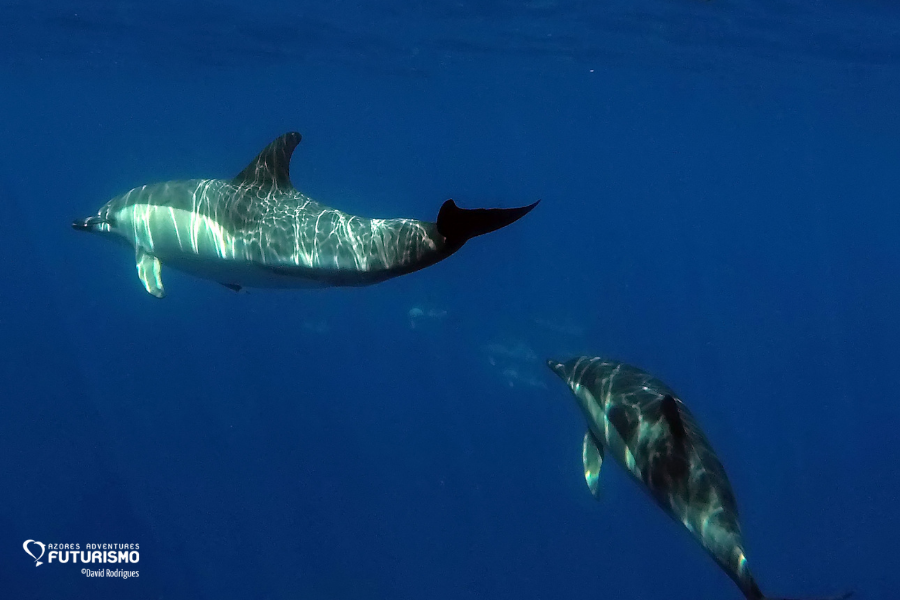
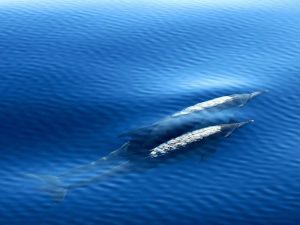
After enjoying these amazing whales, we went to the area where our lookouts had told us that common dolphins where swimming. And voilà! A big group of yellow patched dolphins swam in the Azorean waters while socialising with each other. As soon as they saw us, they took advantage of the waves created by our boat, both in the bow and in the wake, and started riding them in order to save some energy for themselves or to have fun. So smart!


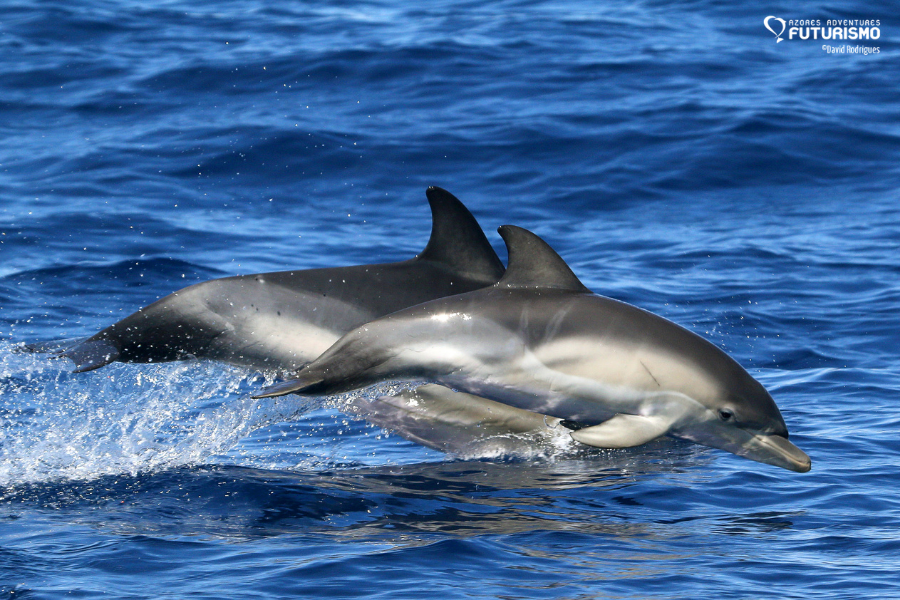
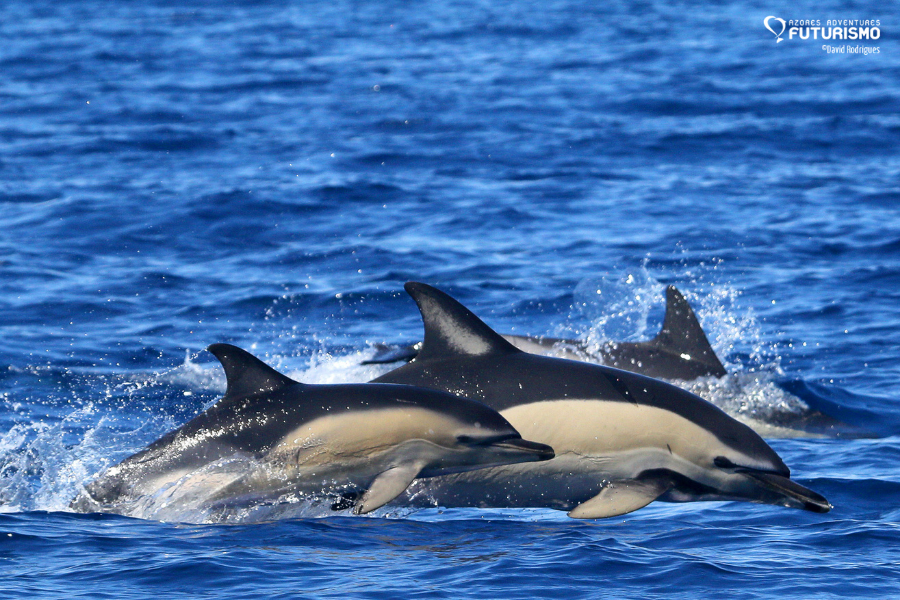
We love spending some time with these dolphins but, sadly, we had to go back. Our colleagues in the Mirone boat saw, apart from the sperm whales and the common dolphins, Risso’s dolphins. Lucky them!


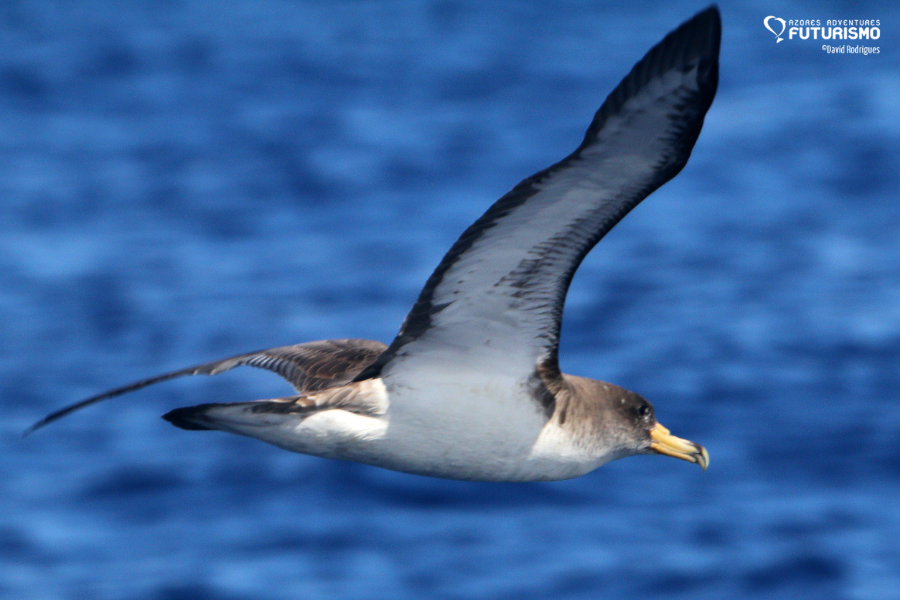
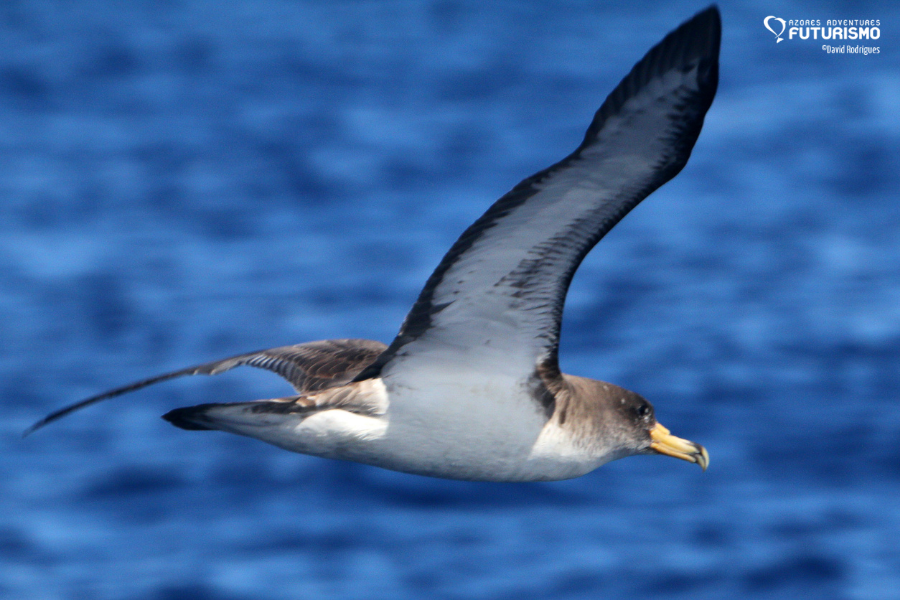
In the swimming with dolphins tour, they and the chance to be in the water with bottlenose dolphins. Many seabirds were seen during our trip, just like always. Cory’s shearwaters, common terns and yellow-legged gulls were the species of birds we saw today in the morning.

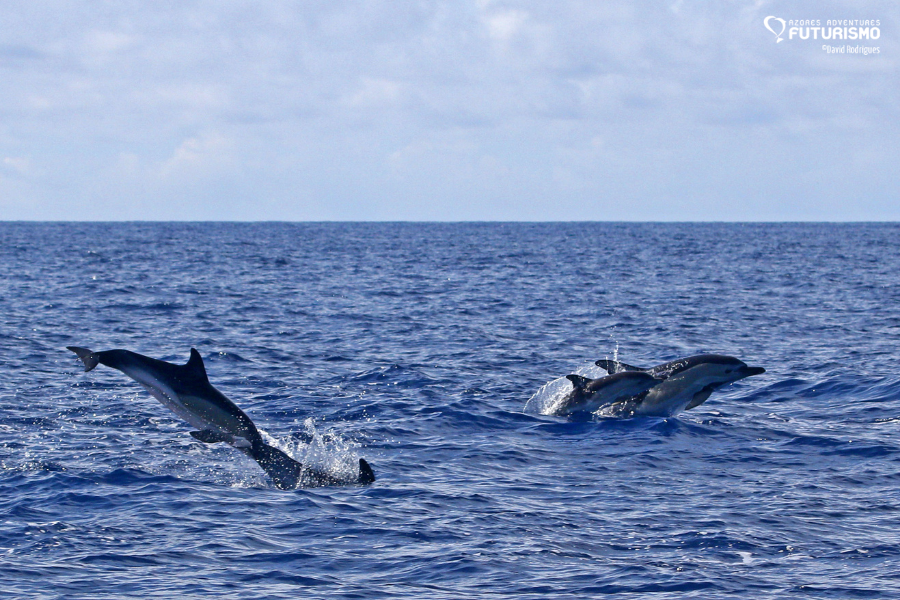

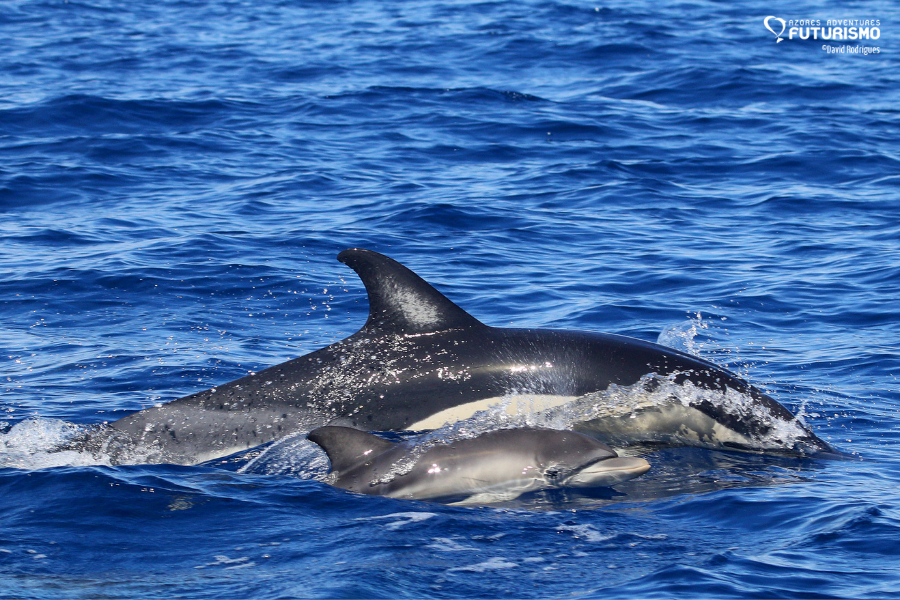
In the morning we’ve identified the sperm-whales being part of the white unit: Penakabe, Coconut and one more individual which is not named yet. During the afternoon, another group of common dolphins was seen, this time with tiny babies and an adult with a slightly bended dorsal fin, but don’t worry, this dolphin was just fine and healthy.
The sperm-whales, which showed their tails and we took photos, we’ve identified being part of the yellow unit: Fou, Varena, Wenea, PM 230 and two new ones for the catalogue.
It’s so great when we can understand who we were observing. There was even a third unit that didn’t lift their tails, so we don’t know who they were. There was an extraordinary amount of sperm whales around a total of at least 15 individuals of three different units and four different species of cetaceans.


Stay tuned for the next adventure and if you like!

 Futurismo Biologists Team

 Futurismo Biologists Team

 Sandrina Rodrigues
