

 azwhales
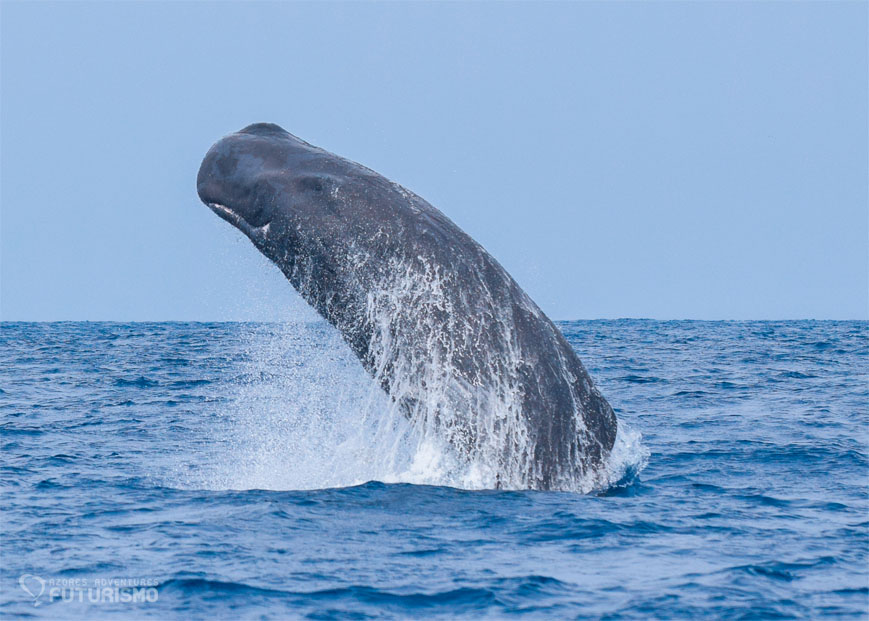
The summer is coming to an end, but that certainly doesn’t mean that we aren’t going out and still seeing a lot of whales and dolphins here off São Miguel island in the Azores. Here we have different species coming and going throughout the year, and we also have resident species, meaning that we have sightings of both whales and dolphins all throughout the year. Throughout the month of September we encountered 12 different species: 6 whale species and 6 dolphin species. As expected, the most encountered whale species was the sperm whale, which is resident in the Azores. This time of the year is also great to see beaked whales, and this month we registered encounters with three different species: Cuvier’s beaked whales, Sowerby’s beaked whales and Blainville’s beaked whales. At this time of the year the baleen whales are migrating south to warmer waters, and although during their south-bound migration we don’t often see them (during the spring when they are headed north we see many), this year we have had a sighting of a fin whale and a minke whale, and one day our coastal lookout even saw a blue whale! As well as whales and dolphins, out there in the big blue during September we also encountered loggerhead turtles, an ocean sunfish, manta ray, devil ray, sharks, tuna, flying fish and plenty of marine birds as usual.

- Common dolphin (Delphinus delphis) – 82%
- Bottlenose dolphin (Tursiops truncatus) – 79%
- Atlantic spotted dolphin (Stenella frontalis) – 57%
- Striped dolphin (Stenella coeruleoalba) – 11%
- Risso’s dolphin (Grampus griseus) – 25%
- Pilot whale (Globicephala spp.) – 4%
- Cuvier’s beaked whale (Ziphius carvirostris) – 7%
- Other beaked whale species (Mesoplodon spp.) – 11%
- Sperm whale (Physeter macrocephalus) – 68%
- Minke whale (Balaenoptera acutorostrata) – 4%
- Fin whale (Balaenoptera physalus) – 4%


 azwhales

 Futurismo Biologists Team
 Sandrina Rodrigues
