

 azwhales
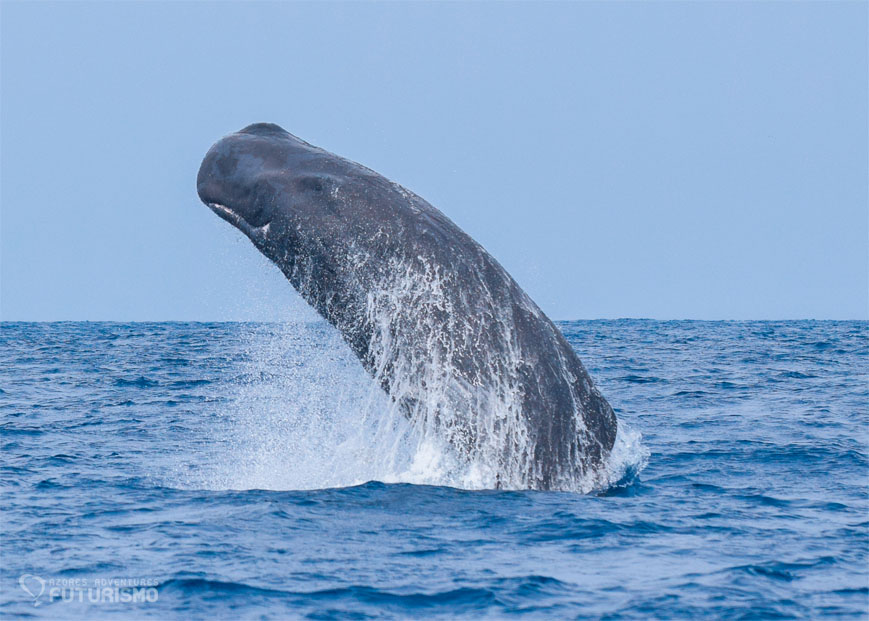
March has been another fantastic month for whale and dolphin watching in São Miguel, Azores, as is expected for this time of the year as it is the best time of the year to see the largest number of species, including the migrating baleen whales. In total we have encountered 10 different whale and dolphin species, in order of most encountered: common dolphin, bottlenose dolphin, fin whale, Risso’s dolphin, humpback whale, Orca/killer whale, sperm whale, sei whale, striped dolphin and minke whale. The fin whale was the most encountered whale species, and although encounter frequencies of many of the other whale species appear relatively low in the graph below, it is in fact a nice indication that we encountered many different species, even if some where seen only 2 or 3 days. It goes to show that the Azores is famous for species diversity, and every day we go out is very different, we just never know which species we will see. As well as whales and dolphins this past month we also encountered plenty of loggerhead turtles, a blue shark, a swordfish, portuguese man-o-war and jellyfish. Our list of seabirds for the month includes Cory’s shearwaters, great skuas, yellow-legged gulls, kittiwakes, Northern gannets and little egrets. The only thing missing so far is the first blue whales of the year, which should be arriving any day now.

Daily sighting frequencies, in order of most sighted:
- Common dolphin (Delphinus delphis) – 82%
- Fin whale (Balaenoptera physalus) – 64%
- Bottlenose dolphins (Tursiops truncatus) – 55%
- Risso’s dolphin (Grampus griseus) – 18%
- Humpback whale (Megaptera novaeangliae) – 9%
- Orca/Killer whale (Orcinus orca) – 9%
- Sperm whale (Physeter macrocephalus) – 5%
- Sei whale (Balaenoptera borealis) – 5%
- Striped dolphin (Stenella coeruleoalba) – 5%
- Minke whale (Balaenoptera acutorostrata) – 5%
Map showing whale and dolphin encounter locations registered during March:


 azwhales

 Futurismo Biologists Team
 Sandrina Rodrigues
