

 Futurismo Biologists Team
The last couple of weeks we have had the opportunity to work here in São Miguel with Mauricio Handler and Timothy J. Dalton, two wildlife photographers and filmmakers from Aquaterrafilms (www.aquaterrafilms.com). Amazing people! Patience to spend long hours out at sea waiting for the right moment, high standards to get the best of any single chance that nature provides, and overall, passion about their job and about the animals! And it is worthwhile. On this trip they have entered sperm whales life deeper than we usually do.

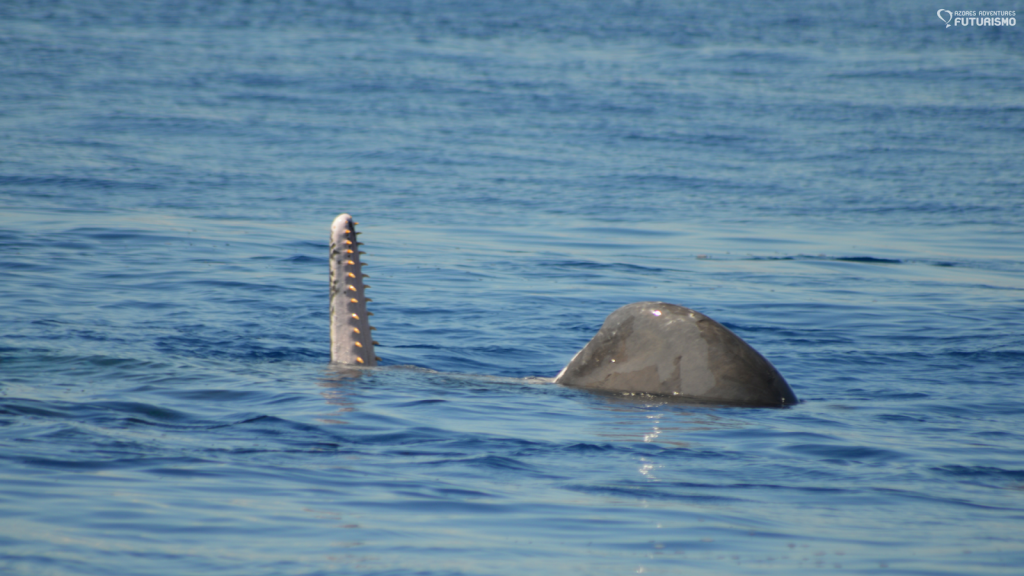
The last couple of weeks, we have had the opportunity to see families of sperm whales socializing, very active, but also sleeping in a vertical position in several occasions. Breaching, lob-tailing, active socialization with mouths open and spy-hopping were observed almost every day. Plenty of very small newborns, some already with the fetal folds, were welcome into the families. Every whale seemed to celebrate the new arrival, breachs and tails all over the place, and even pilot whales and bottlenose dolphins joined the celebration. The gathering of giants to welcome a new member in the family.

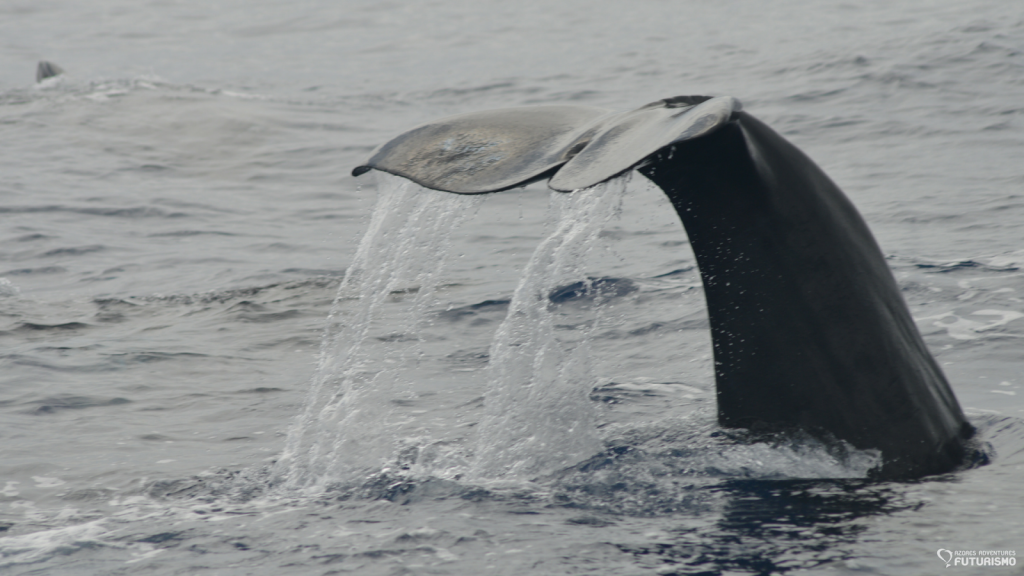

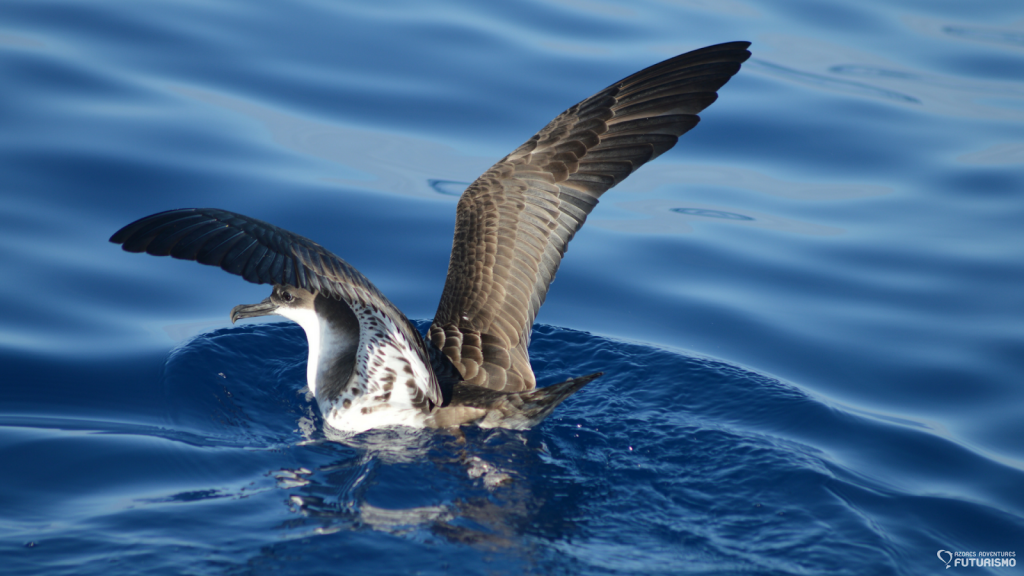
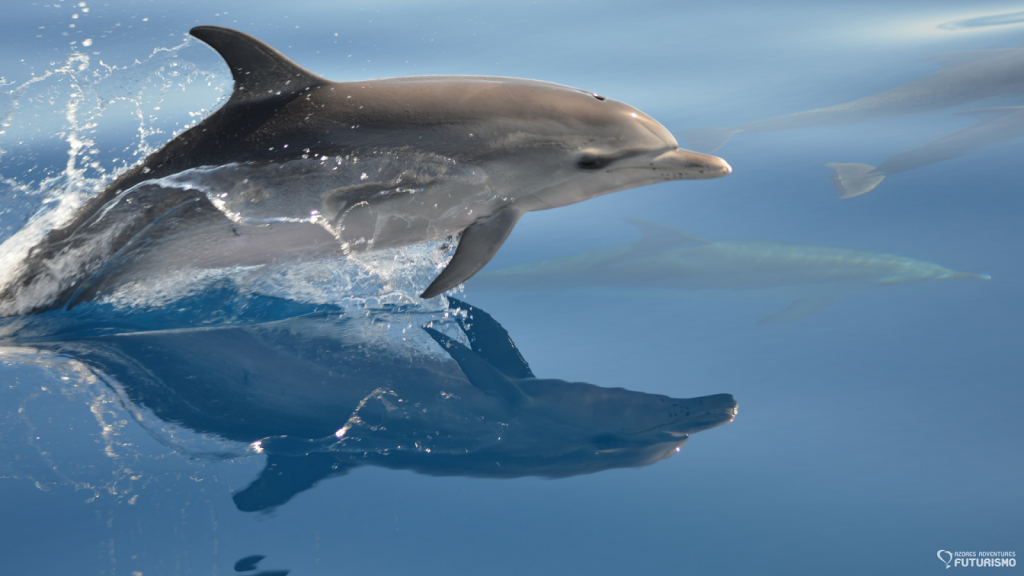
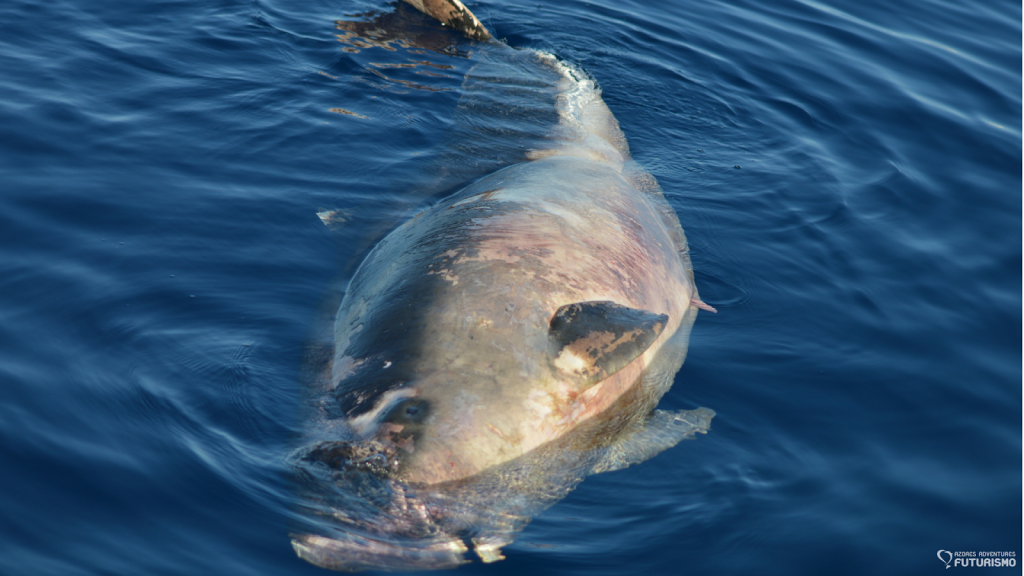
During this time, we also saw Atlantic spotted dolphin, common dolphin and Blainville’s beaked whale. Feeding activity, Cory’s shearwaters and a lot of great shearwaters, and even dolphin fish sum up to our list. But without any doubt, one of the most impressive sightings we had was a dead whale. It was a pigmy sperm whale, a very rare species here in the Azores (and worldwide indeed!), which has been reported here mostly from stranding records. It was dead from a couple of days ago, not very decomposed and with no visible sign of accident. It remember us the cycle of life…


Definitely, being out in the ocean and having the chance to observe nature on its best, makes you realize how immense and powerful it is. People like @Mauricio and @Timothy are the ones who manage to condensate this hugeness in just a few minutes of footages or even in a couple of photographs; and then tell the rest of the world the story of our oceans. If you want to know more about them and have a look at their work, follow them at @aquaterrafilms and @timothyjdalton. You won’t be disappointed!
Photos and article by Laura González


 Sandrina Rodrigues
 Futurismo Biologists Team