

 azwhales
Perfect morning today!
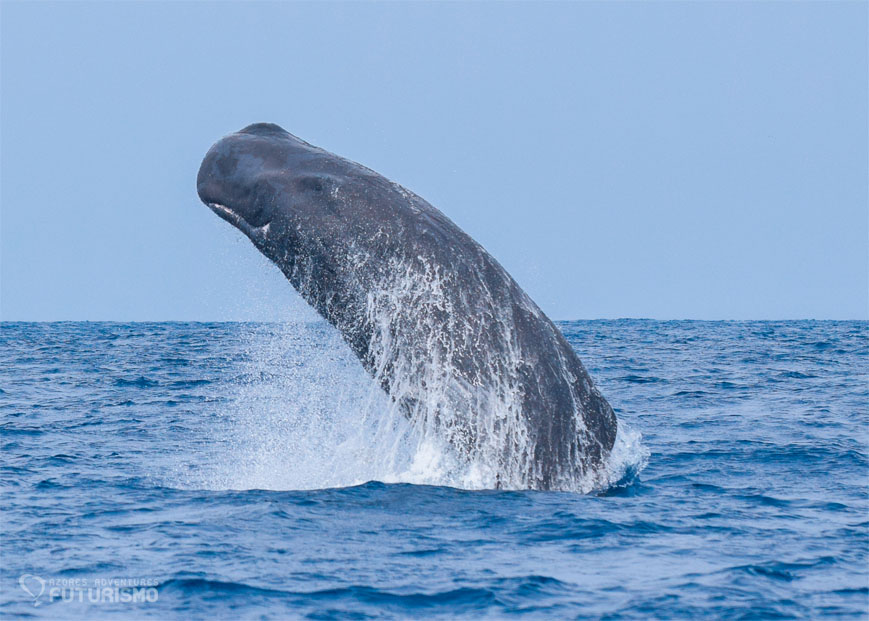
The sun was out and a little of wind so we wouldn’t get too hot while heading to a handful of sperm whales who where taking some breaks from their feeding dives and allowed us to see them very well since the sea was so calm.

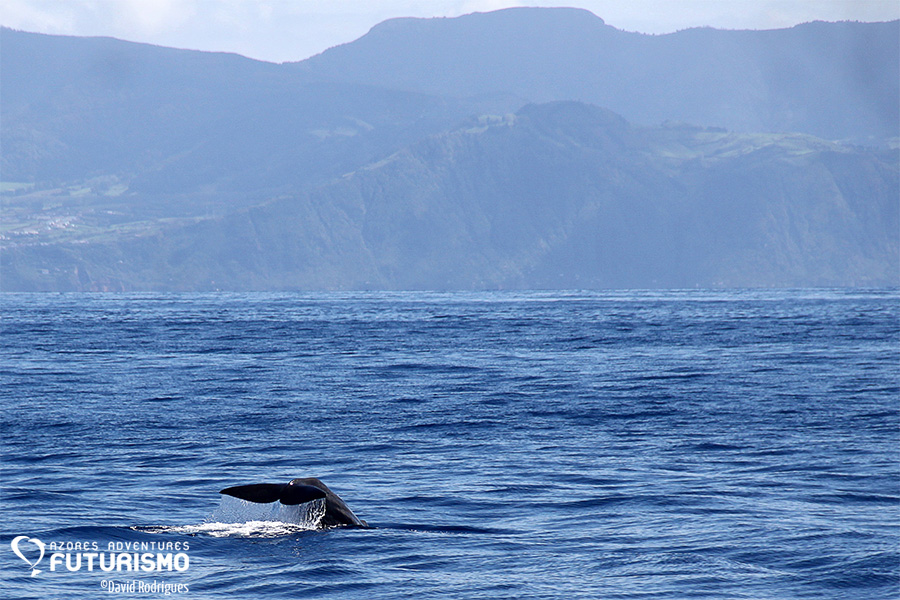
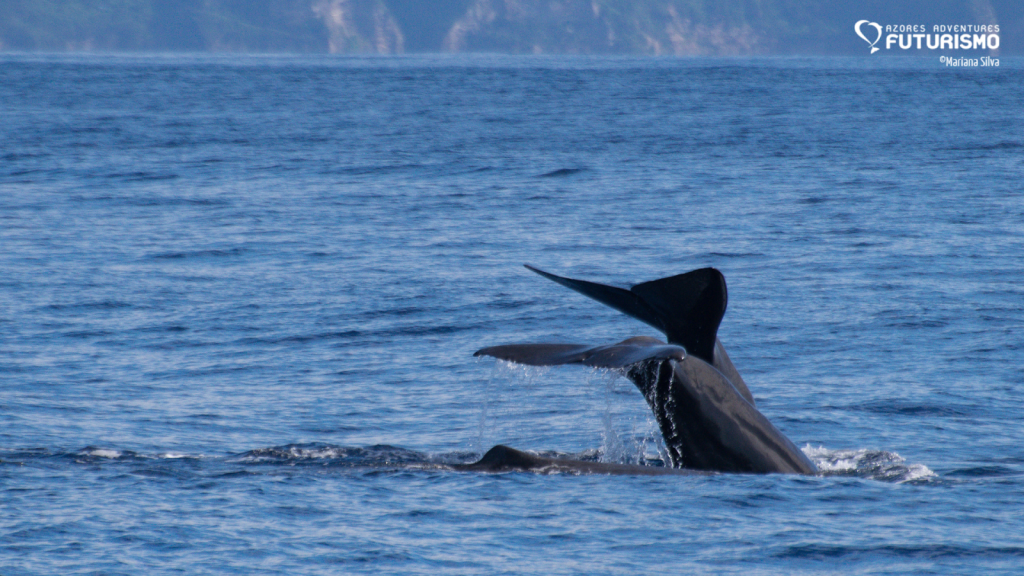
The tails of the sperm whales were unfamiliar to us, so they will be new additions to our catalogue. One tail was particularly interesting, the edge was very serrated, looking a bit like the edge of a chainsaw. There were several large females in the group, as well as two smaller juveniles and also calves.

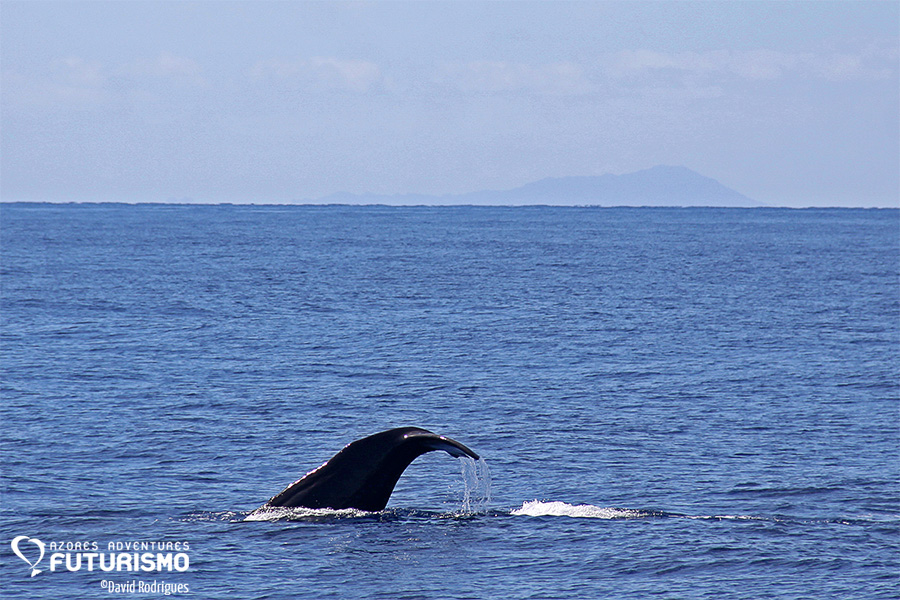
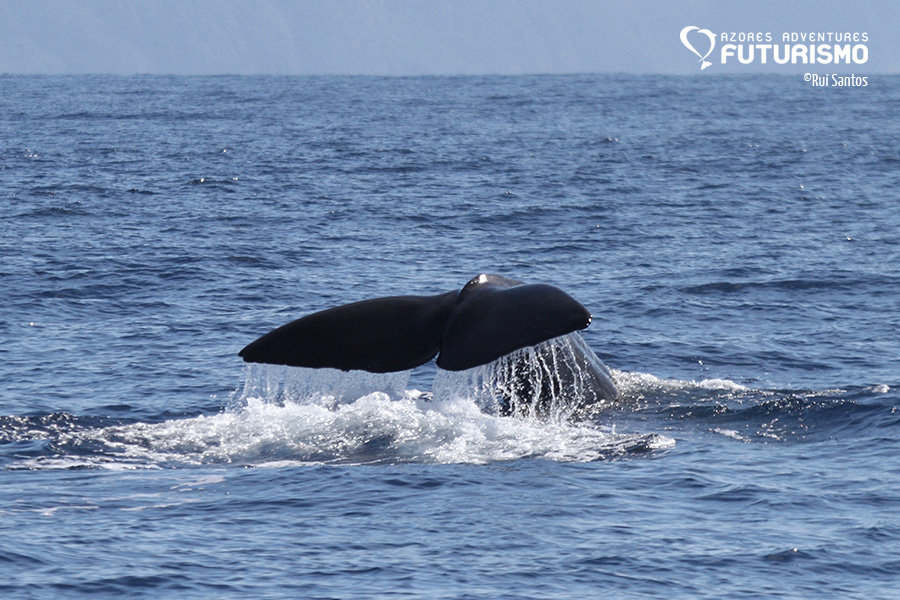
After a few minutes our lookouts spotted something shining on the sea surface so we went to see what it was, and for our surprise, a group of short-finned pilot whales just travelling slowly with some juveniles as well. Did you know that this species of cetacean is being hunted nowadays? Watching them in the wild is so much better!


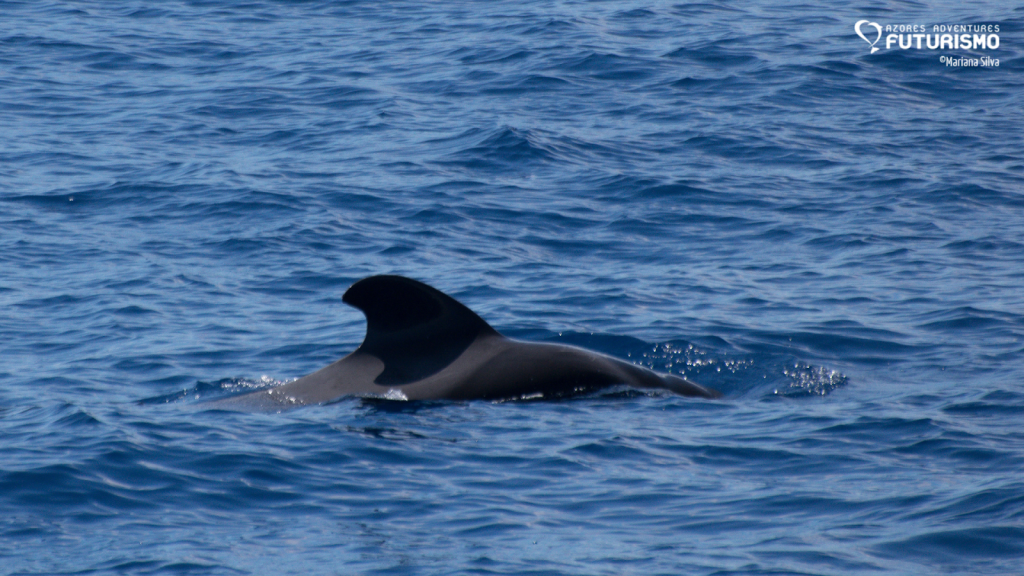


In the afternoon, we got to see the pilot whales again. This time all our boats managed to see them and we got to have a really good look at some calves that were in this nursery group.
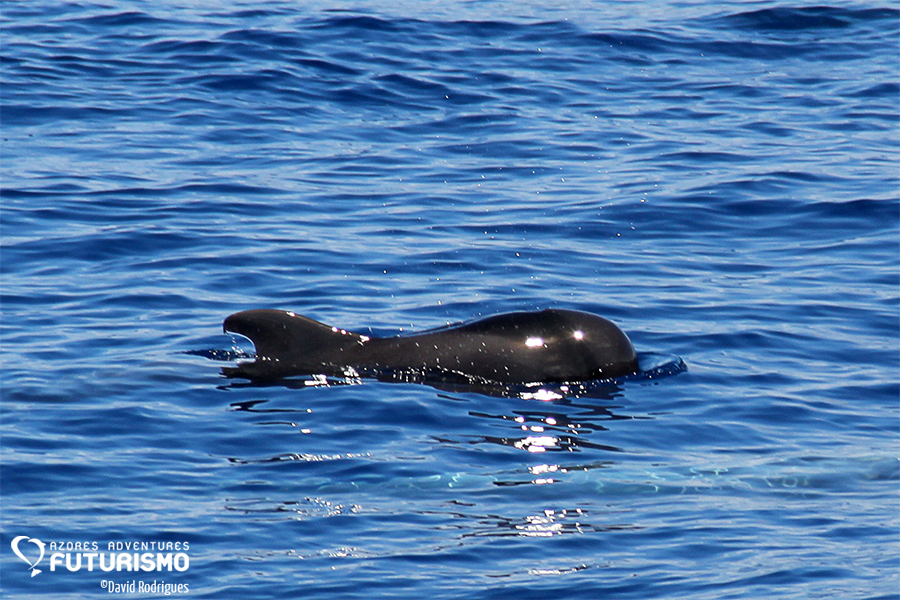
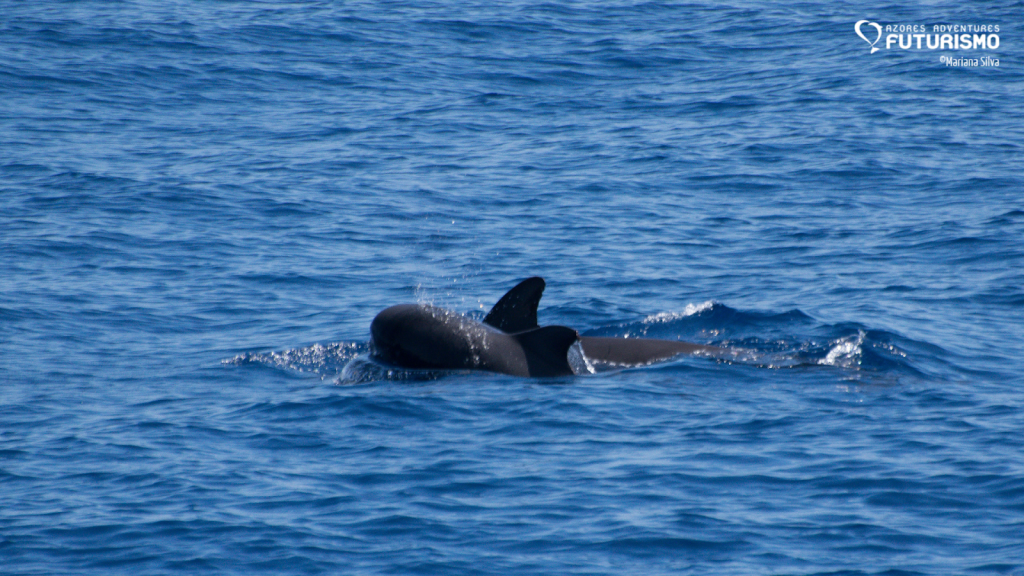
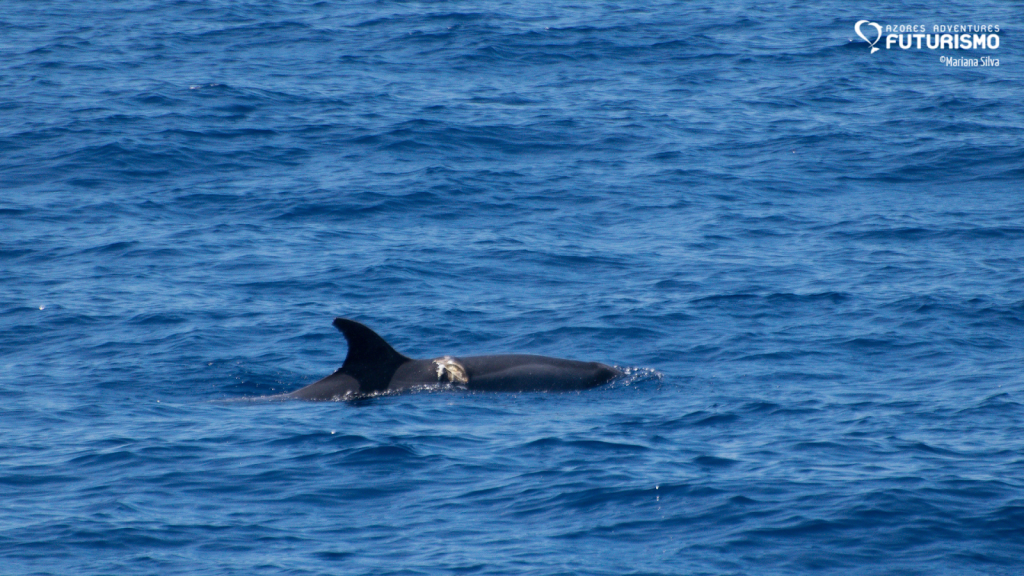
They were in the same area as a group of bottlenose dolphins, and we got to see them alternatively as one of the two species as always at the surface while the other was diving. It’s actually not that uncommon for us to see two different dolphin species (the pilot whale actually belongs to the dolphin family) in one area.
Further offshore, we tried to find the sperm whales again, and although we heard some whale clicks (the sounds they make when diving) on the hydrophone, we didn’t actually manage to see them in the afternoon.
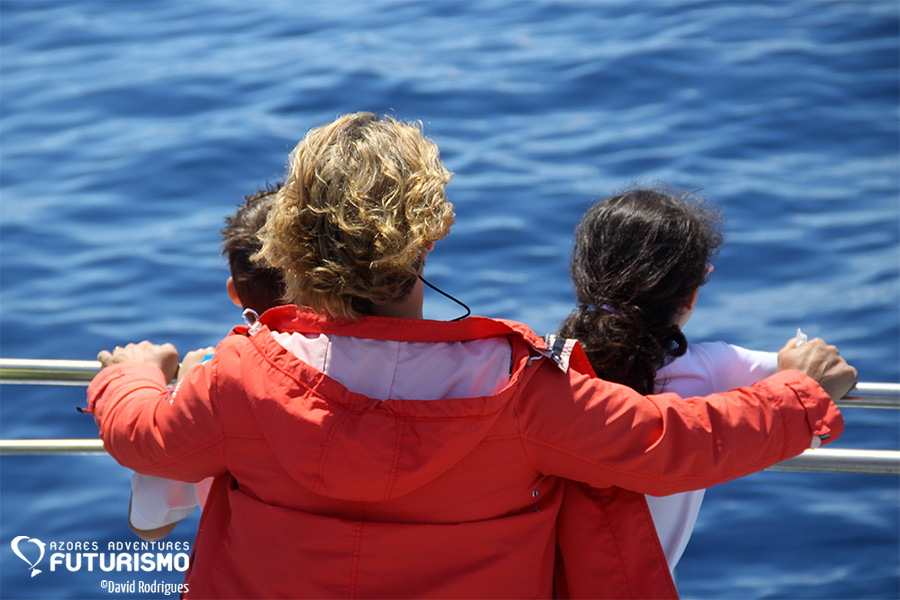
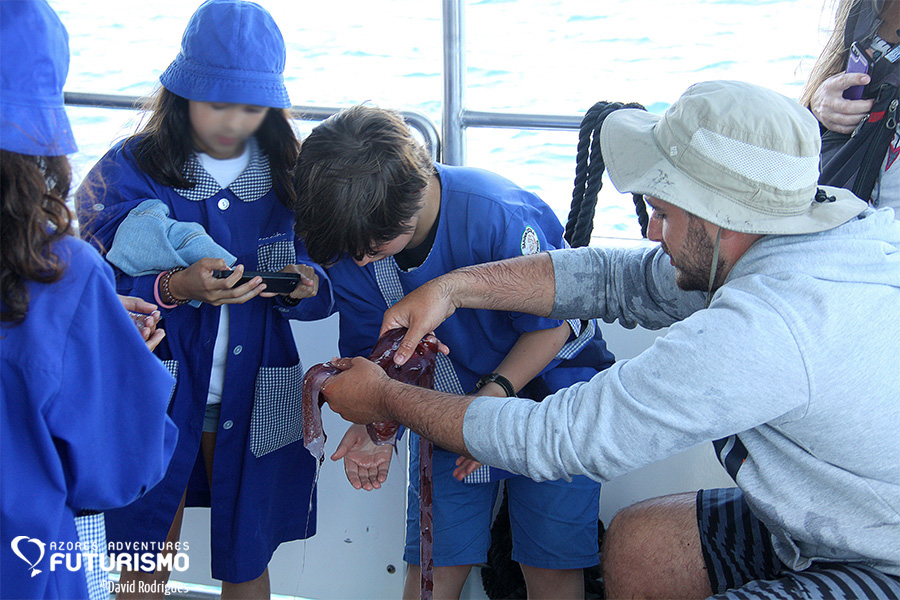
We had the honor to take some little guests with us today, from the school of Santarem.
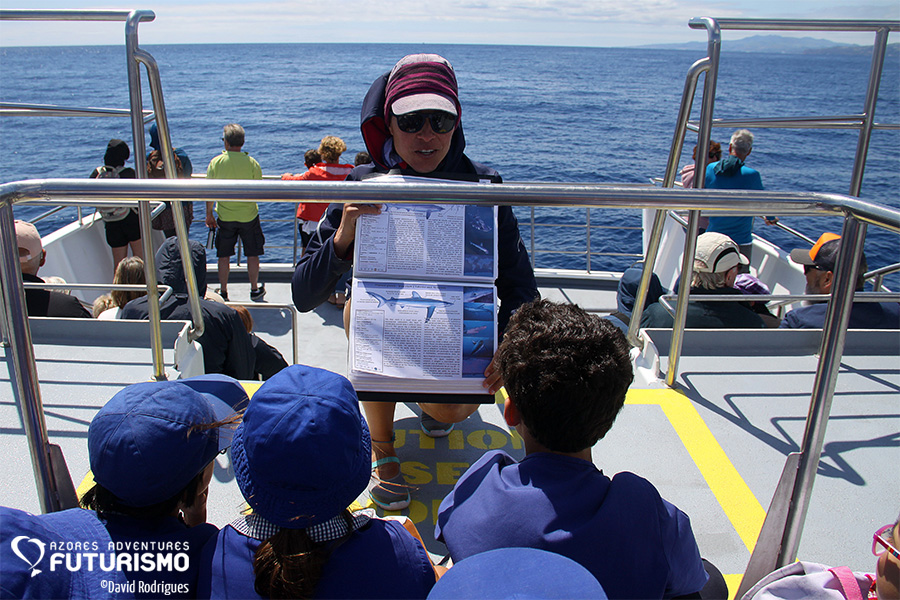

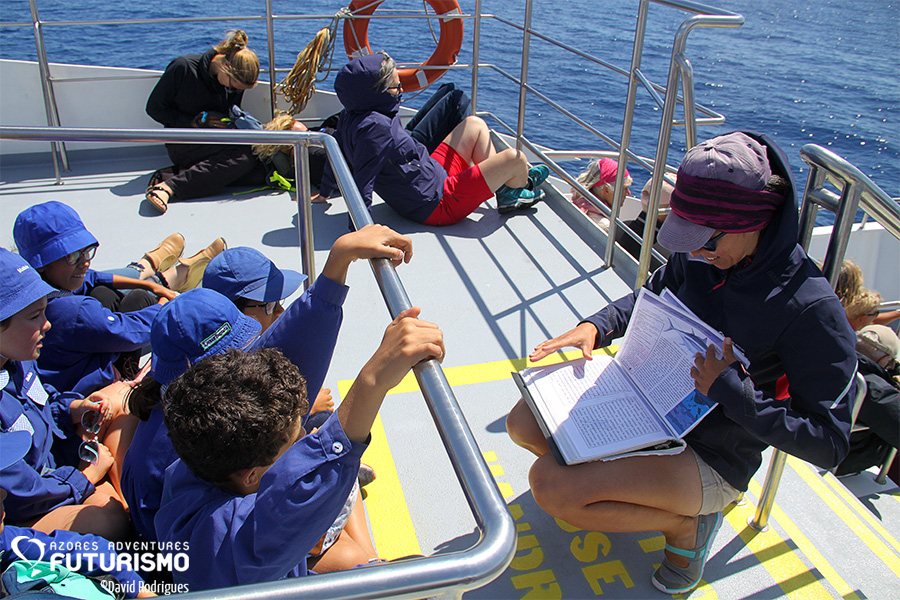
We did find another big piece of squid or octopus, which may have been leftovers from sperm whales feeding down below. Our little guests from Santarem school had the opportunity to have a closer look at it.


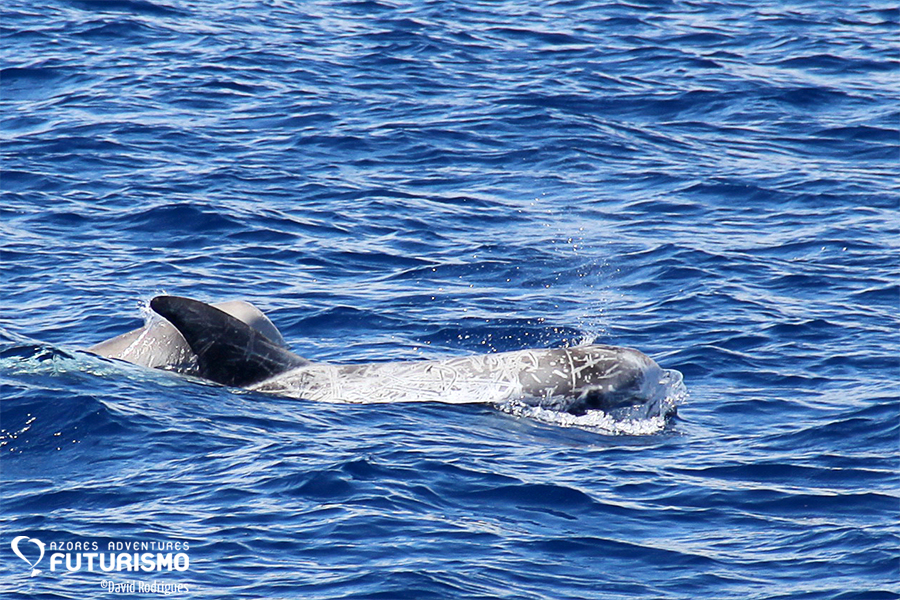
The final surprise for the day was a really nice group of common dolphins (with some tiny newborn babies) for one of our boats, and some Risso’s dolphins for the other boats.



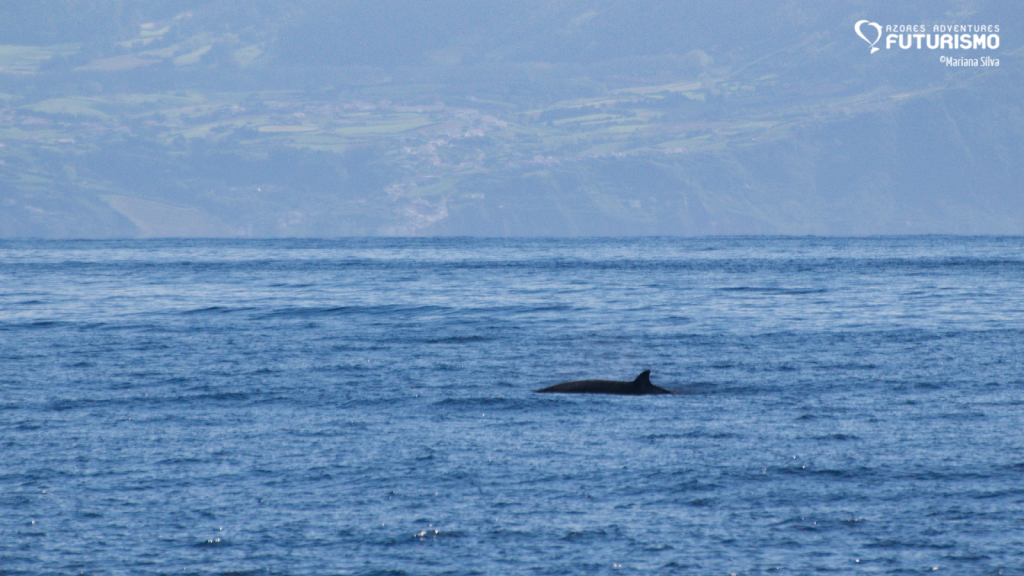
We also saw what we think was a minke whale, but it was far away, so we can’t confirm the species.
As you know, today we had the opportunity to see pilot whales, a species of the family delphinidae. This cetacean is actually a species that is currently still hunted in the bays of the Faroe Islands. These Islands are an archipelago located in the North Atlantic, 200 miles north of Scotland. The population of this archipelago has an old tradition that started around 1,000 years ago. This tradition is the hunting of cetaceans that usually appear near the shores. To hunt these animals, locals split into two teams, where one team drives the whales to the bays, and the rest of the team waits in the bay to hunt them. After the hunting is done successfully, the meat and the blubber from the pilot whales is distributed amongst the inhabitants that are around the bay where the whaling happened.
The conditions for the agriculture in Faroe Island are far from ideal, so the inhabitants of the archipelago mainly depend on the ocean. But this tradition is getting quiet polemic; pilot whales and cetaceans are really loved by most of the people in the world. However, when seeing this objectively, the hunting of these species should be forbidden. In 2008, a scientist from Faroe Island proved that meat and fat of pilot whales contents high levels of mercury, PCB and DDT derivatives. Once it became known that their meat is not edible, the only reasons to continue killing these animals are; for fun and keeping the tradition alive.

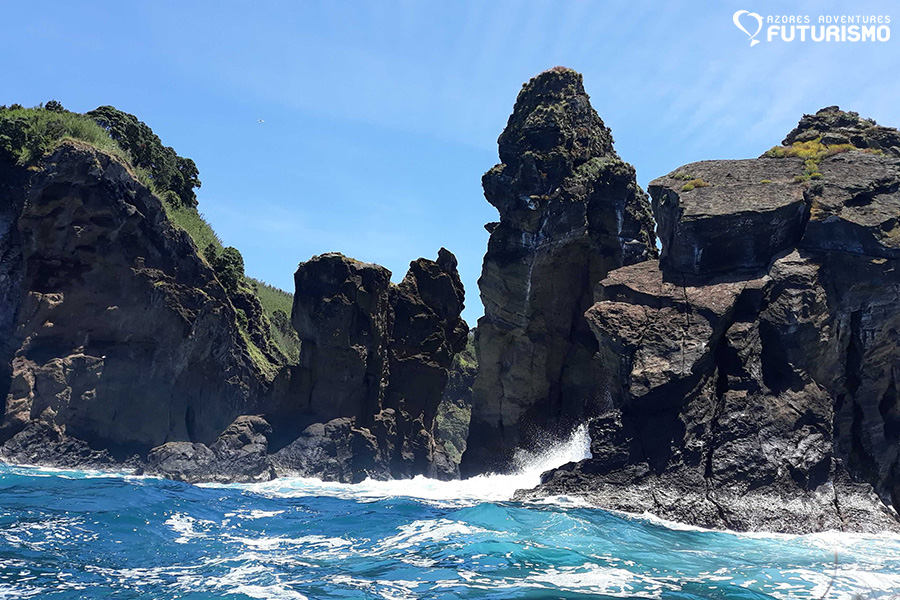
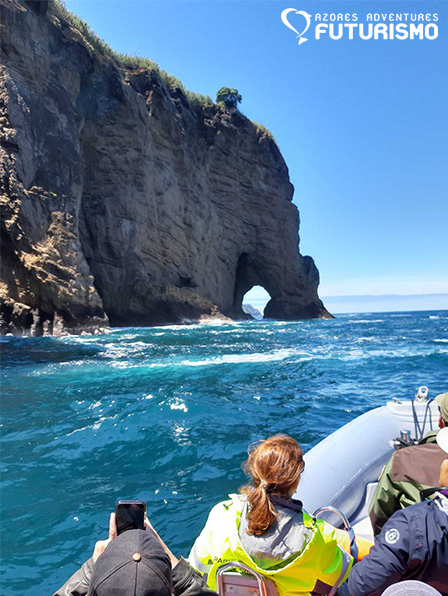
Today one of our boats had the opportunity to be part of the annual Tern census. This initiative is organized by the Regional Directorate for Sea Affairs and the Regional Secretariat for Energy, Environment and Tourism of the Azorean Government. The census occurred around São Miguel Island and we headed to different colonies in the cliffs and little islets. It was an incredible trip that gave a different vision of the landscapes, orography, vegetation and the birds in general, and especially seabirds of the island. Soon we will have the results, let’s see what will happen with the population of Terns, so we will keep in touch!




 azwhales

 Futurismo Biologists Team
 Sandrina Rodrigues
