

 Equipa de Biólogos da Futurismo
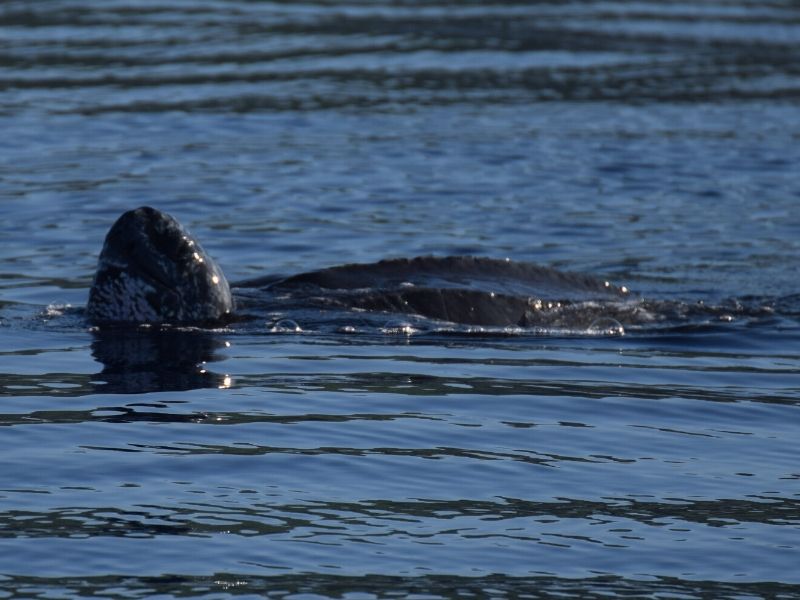
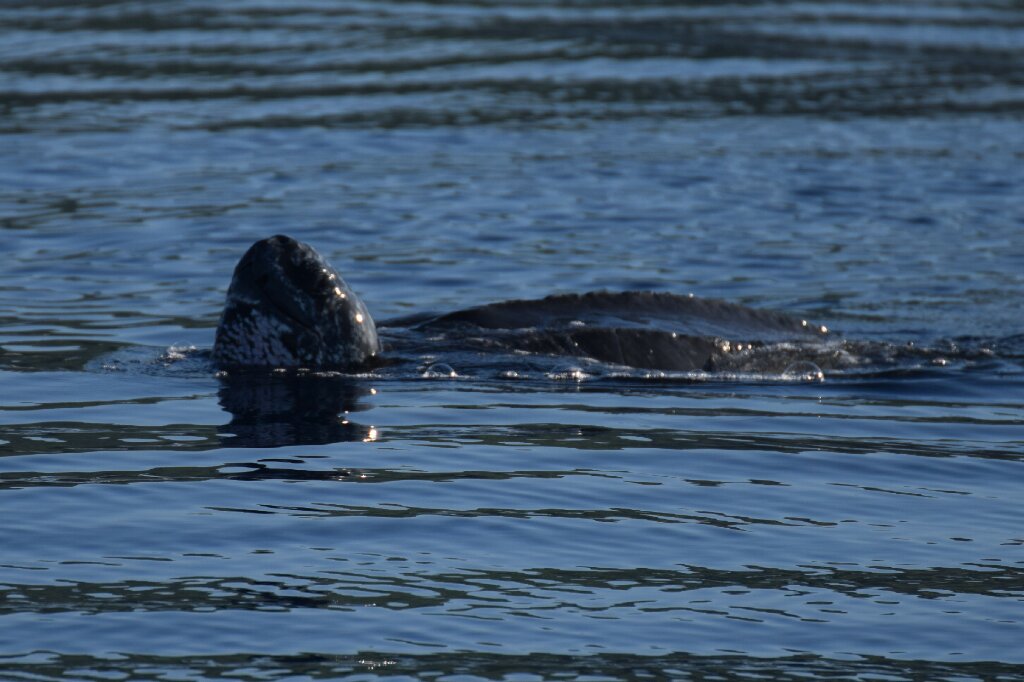
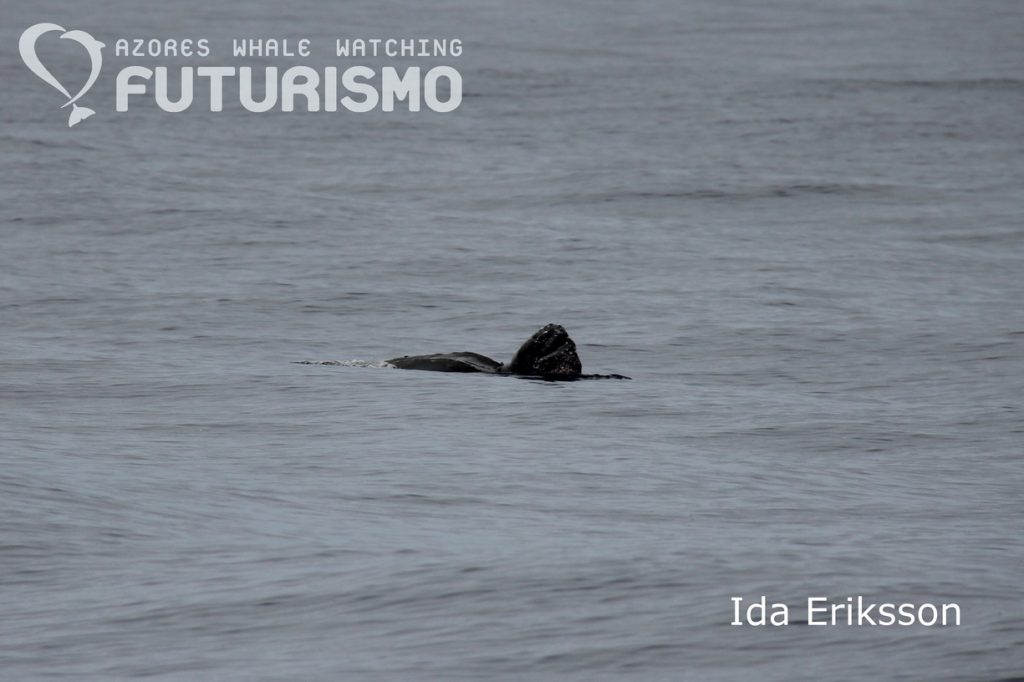
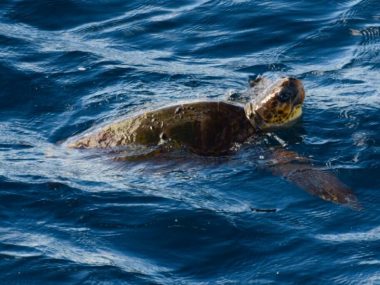
Dermochelys coriacea | Leatherback turtle

This is the biggest turtle species in the world. Leatherback turtles can dive as deep as 1000 m. They are distributed all over the world in tropical, subtropical and temperate oceans, but can also be found in cooler waters (down to 0.4°C). They have a very good thermo-regulation system and can maintain temperatures of up to 20°C greather than their surroundings. the ocean currents. Leatherback turtles make the longest migrations of all marine vertebrates. They travel from tropical and subtropical waters to feeding grounds in temperate and cold waters of both hemispheres. Young individuals live in pelagic warm water until reaching a size of 100 – 140 cm. The females of the Atlantic enter the beaches on the northern coast of South America (Surinam and Frensh Guyana) to lay their eggs in 1 m deep holes. Individuals seen in the Azores are normally on a journey between the Carribean and the Iberian Peninsula or the Bay of Biscay.
Length:
• Total: Up to 300 cm
• Carapace: 257 cm
Weight: Up to 900 kg
Global population:c.26,000 – 42,000
Status: Critically endangered
Diet:The leatherback turtle is omnivorous and feeds mainly on medusas such as jellyfish and cephalopods (squid and octopus)
Longevity: 305 years
Breeding age: c.130 – 180 cm
Number of eggs: c.50-150
Incubation: 2 months
In other languages
Portuguese: Tartaruga de couro
Spanish: Tortuga laúd
French: Tortue luth
Italian: Tartaruga liuto
German: Lederschildkröte
Dutch: Lederschildpad
Swedish: Havslädersköldpadda
Norwegian: Havlærskilpadden
Danish: Læderskildpadde
Finnish: Merinahkakilpikonna
Polish: Żółw skórzasty



 Equipa de Biólogos da Futurismo

 Sandrina Rodrigues
